
Jesus’ first words in St. Mark’s gospel are a summons to renewal: “Reform your lives and believe in the good news” (Mark 1:15). In the Judeo-Christian tradition, religious faith and practice lead to human transcendence, to personal and communal transformation, to a continuous, life-long change of heart, mind, attitudes and behaviors.
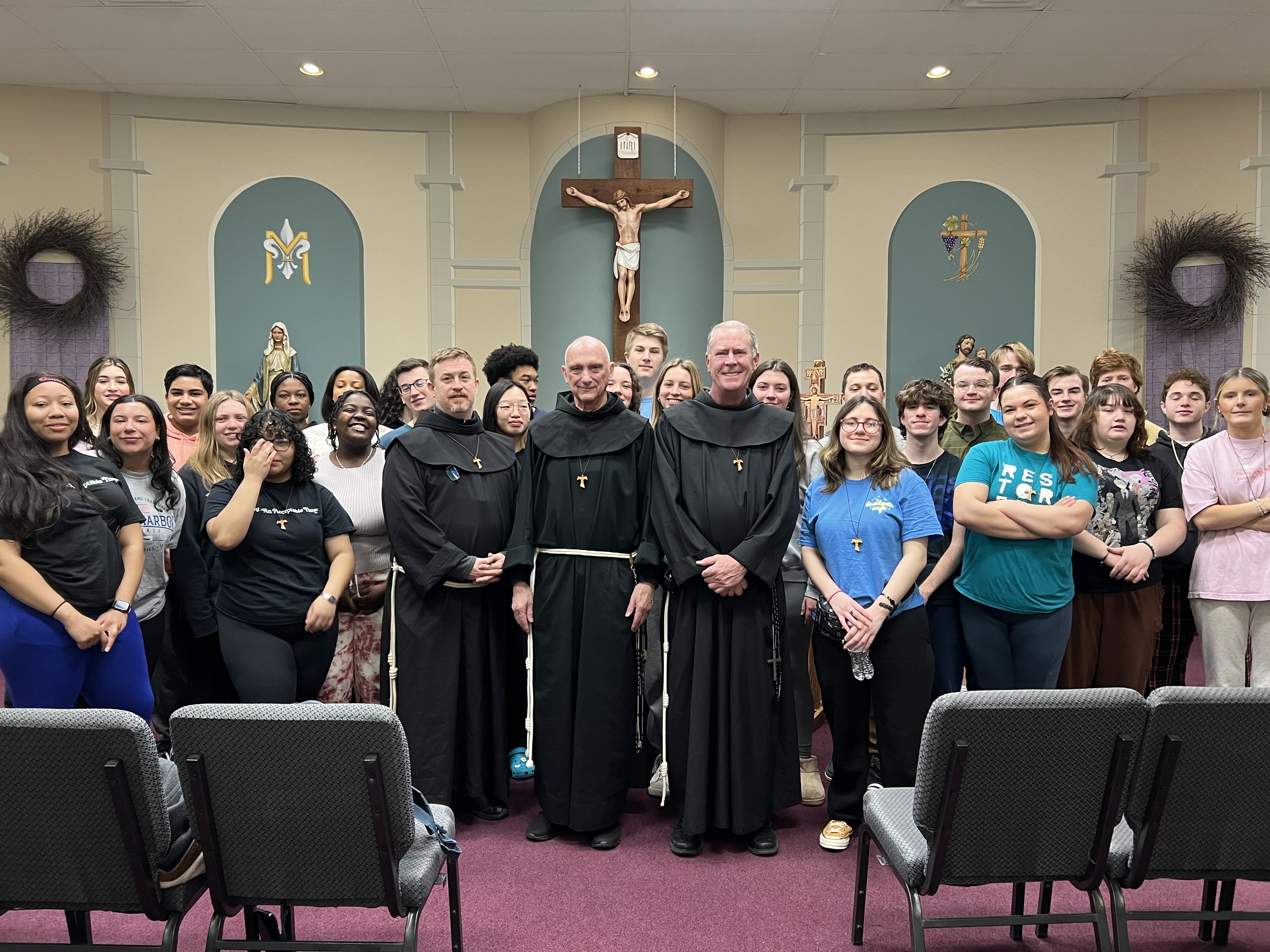
St. Francis’s shorthand for this ongoing process of renewal and transformation was the simple but often misunderstood word, “penance.” Francis insisted that he and his friars were to live a life of “penance.” They were to do “penance.” They were to preach “penance.” (See, for example, Francis’s Testament, Later Admonition and Exhortation, and the Earlier Rule, XXI) In other words, they were to be models of personal transformation as well as instruments of renewal in the Church and in the society around them.
Like the preaching of St. Francis, Franciscan education is more than informative; it is transformative. It rejects the secular model of “value-neutral” education and is committed to a more traditional understanding of education as the value-based intellectual, moral and spiritual formation of men and women: formation that is on- going and life-long; formation that leads to an ever greater openness to truth, beauty, goodness and love; formation that results in an ever more attentive, intelligent, reasonable, compassionate and responsible embrace of our world.